Our tire pressure
control systems

Tire pressure control systems

The future runs on the right pressure

TerraCare’s tire pressure control systems for tractors, trailers, and attachment machinery take conventional tire pressure monitoring systems to the next level. We focus on maximum soil protection for healthier soils and greater productivity.

With agricultural tire pressure management, you can protect your equipment and save up to 10% on fuel costs per year—maintenance-free and completely independent of the tractor’s compressed air output.

We take a closer look at our tire pressure control systems and innovative solutions below. We’d be happy to consult you on the right solution for your equipment!

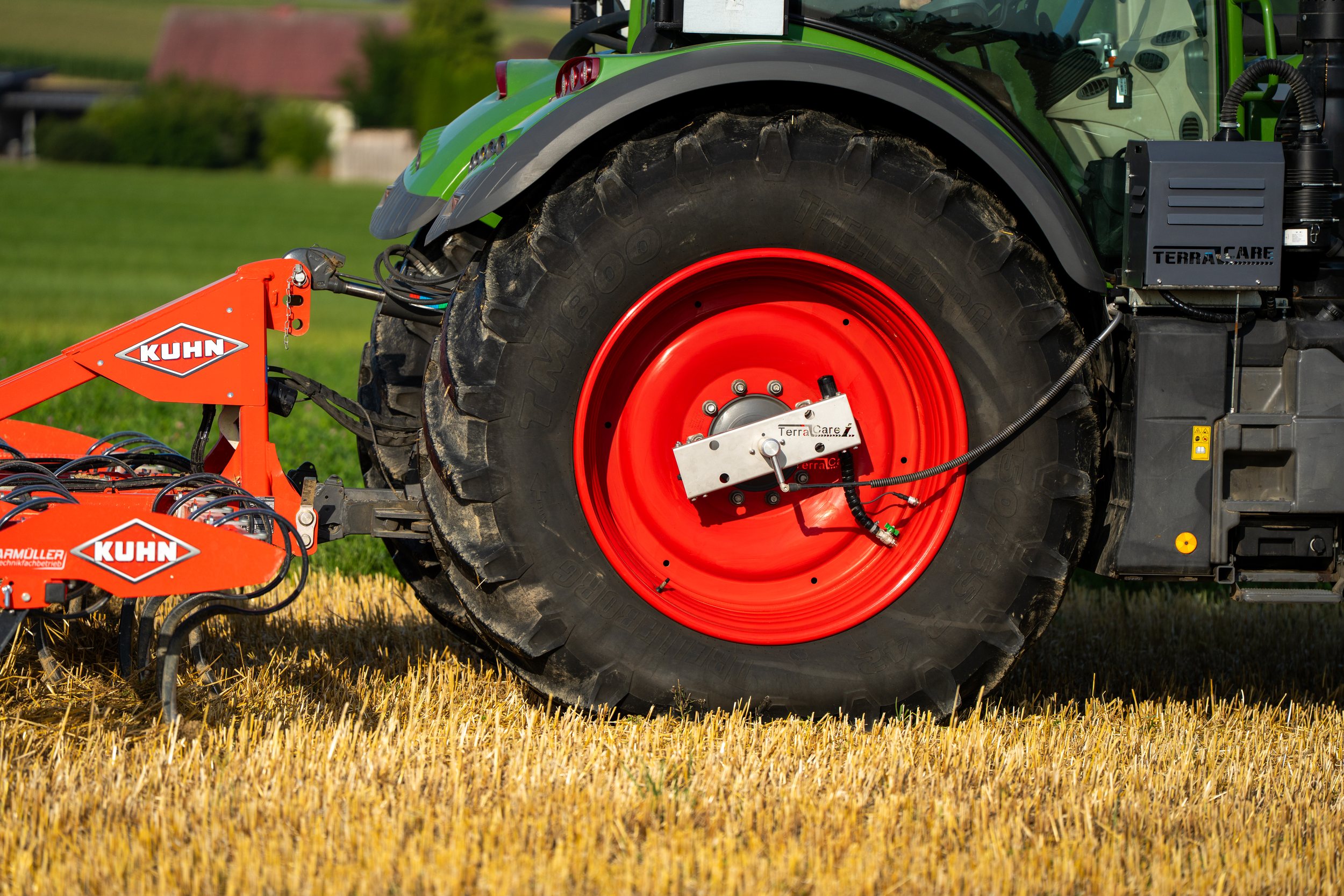
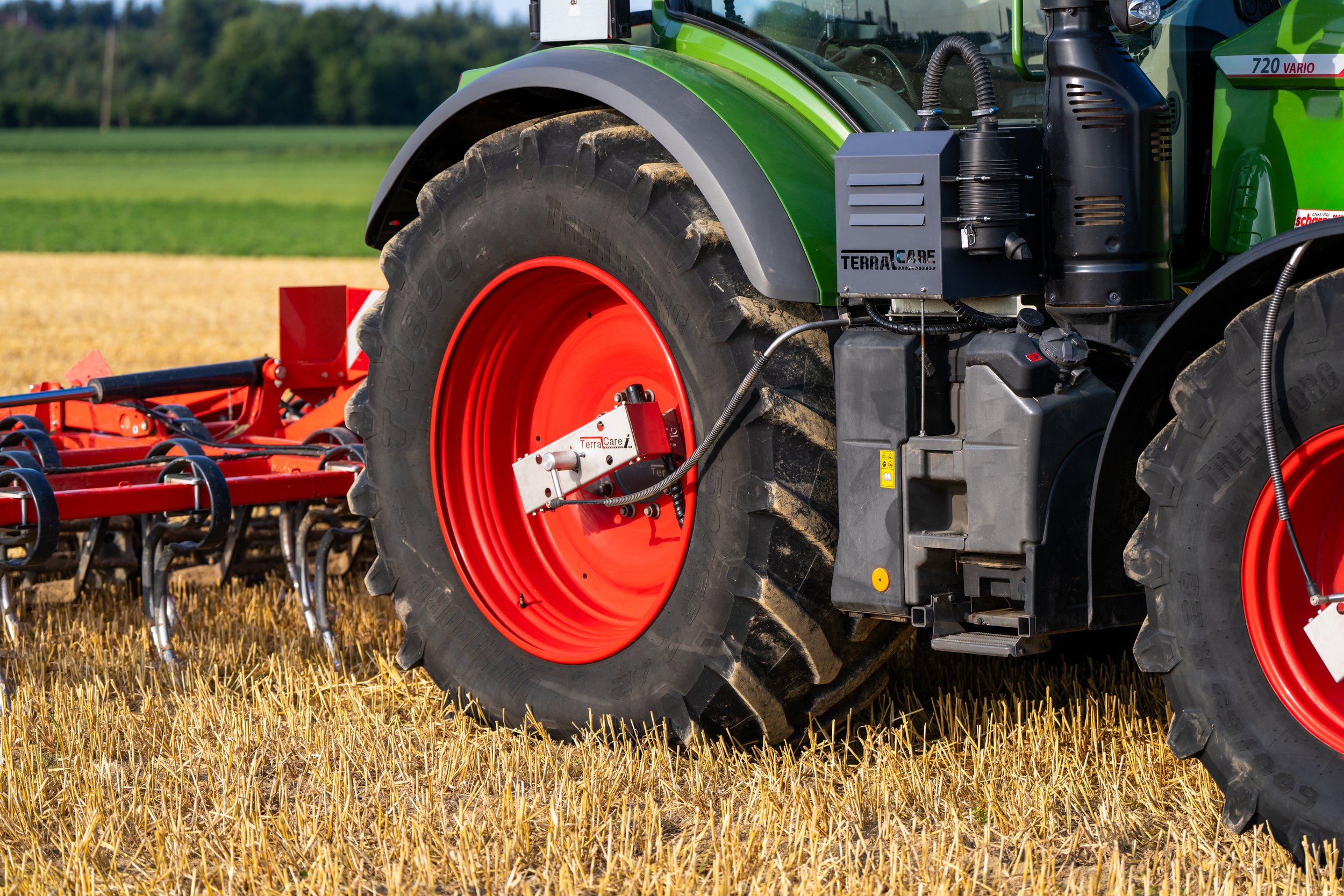
Traktorrad mit Reifendruckregelanlage
Langes grünes Pfeilsymbol
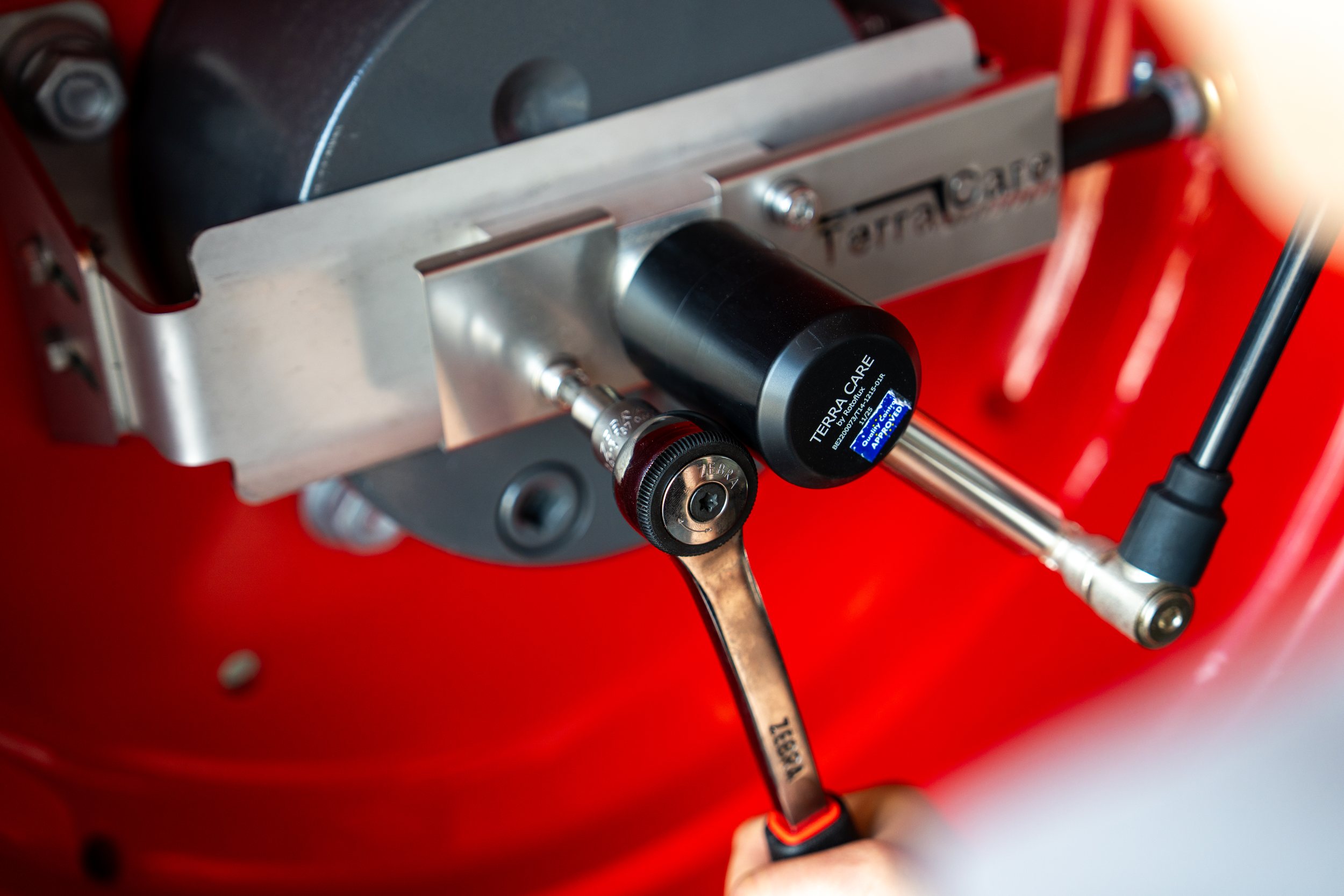
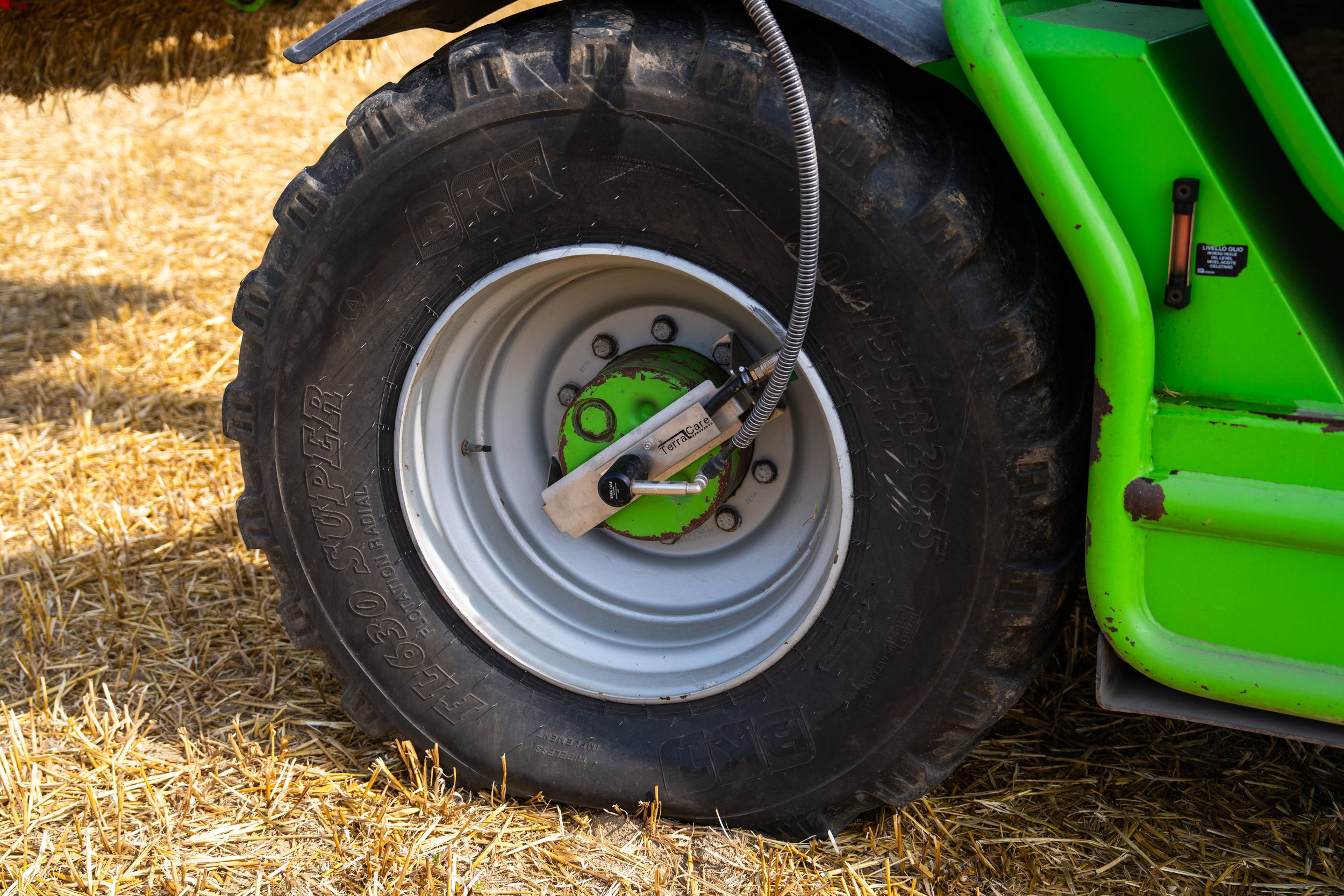
Radmodul einer Reifendruckregelanlage

RDRST

Tractors

A central tire inflation system for farm equipment enables significantly more sustainable management of your soil. Our tire pressure control systems for tractors (RDRST) are available in versions for one or two axles, as well as with various auxiliary equipment. Upon request, an additional compressor can be installed for faster tire inflation.

RDRSA

Trailers

RDRSA is our tire pressure control system for all types of agricultural trailers. Our CTIS for agricultural machinery is available for single-axle, tandem, and tridem trailers. It is controlled via the same display as the tractor system. We’d be happy to help you find a tire pressure control system tailored to your entire setup (tractor plus trailer), your operation, and field of application.

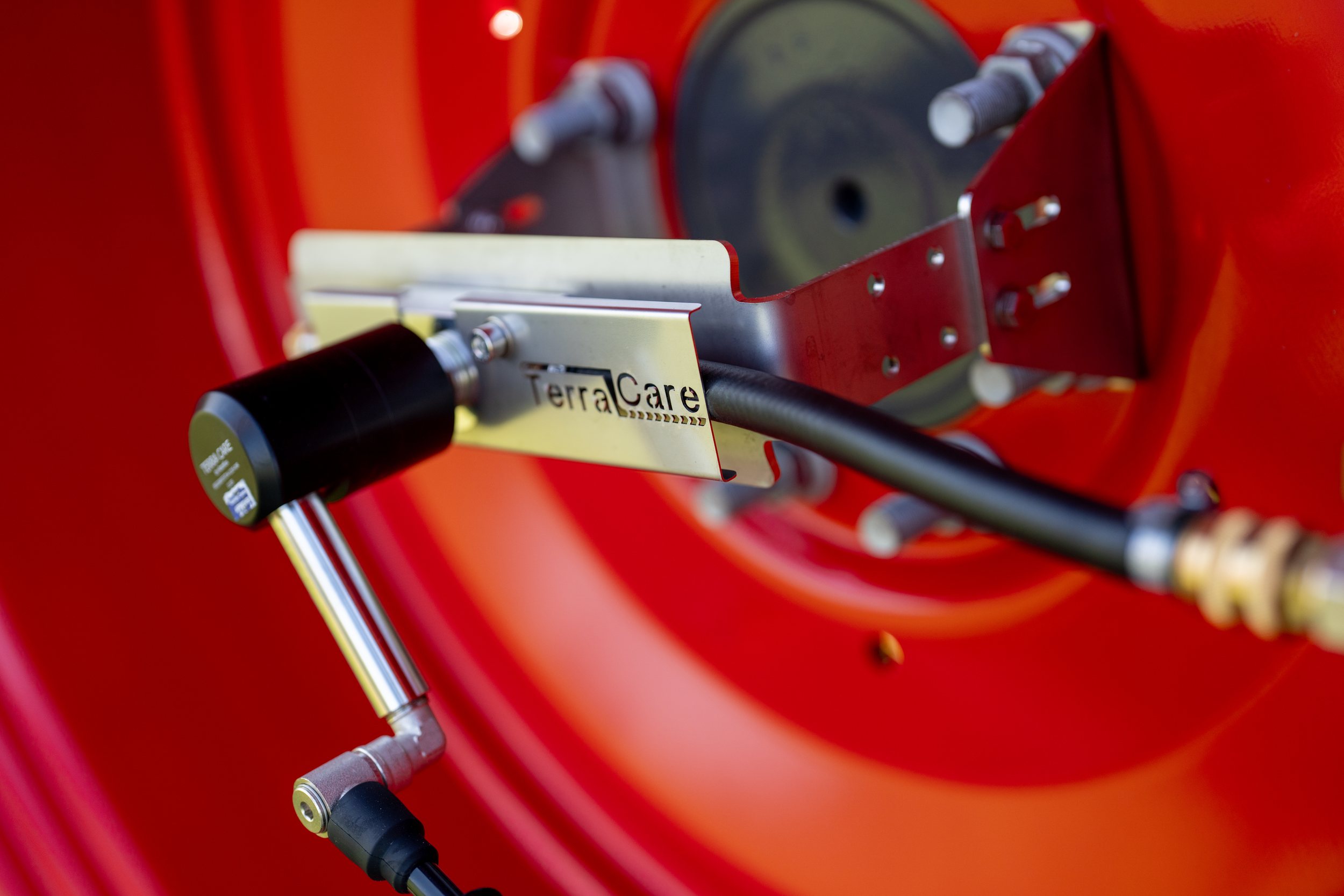
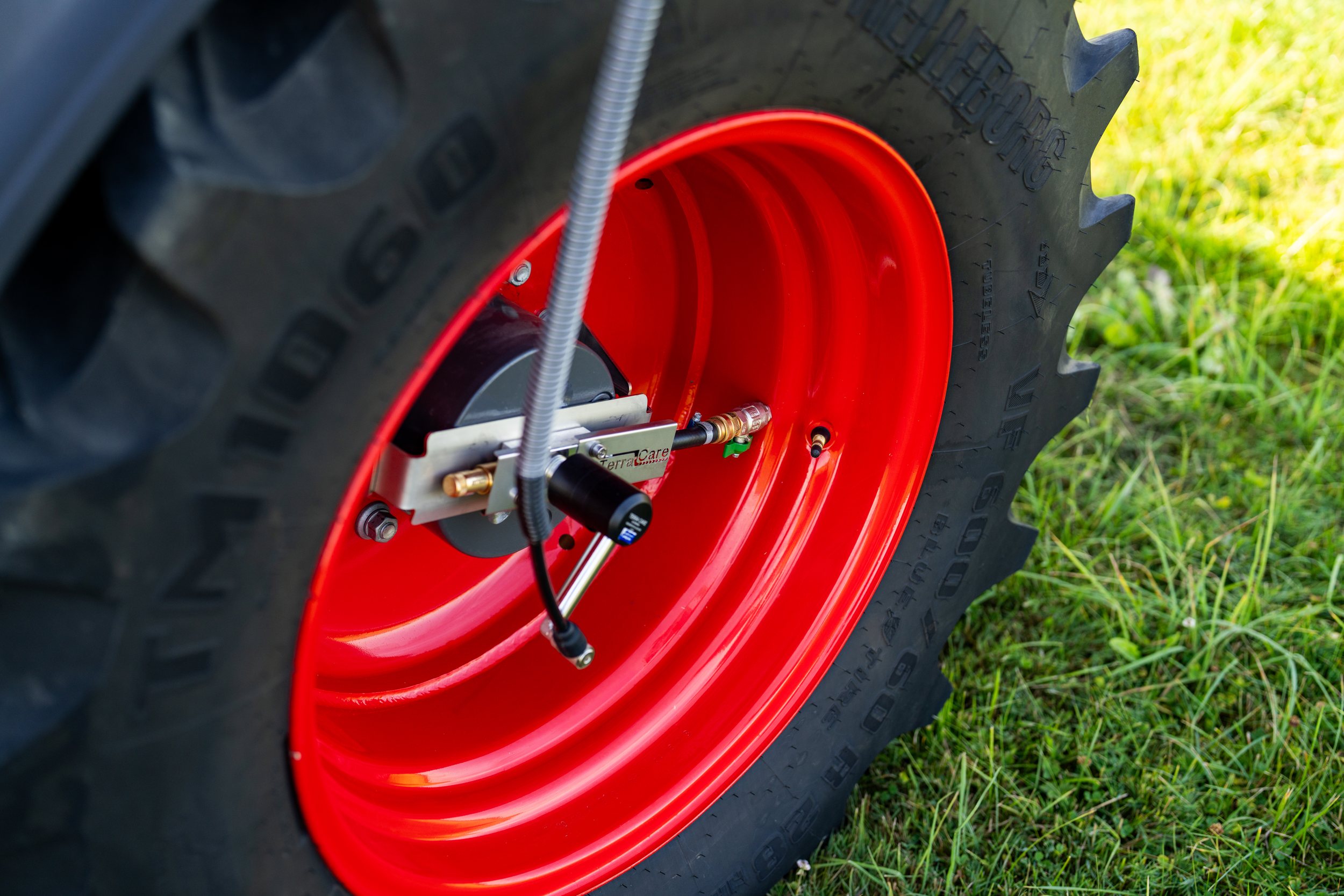
Radventil einer Reifendruckregelanlage

The new generation

TerraCare i-control

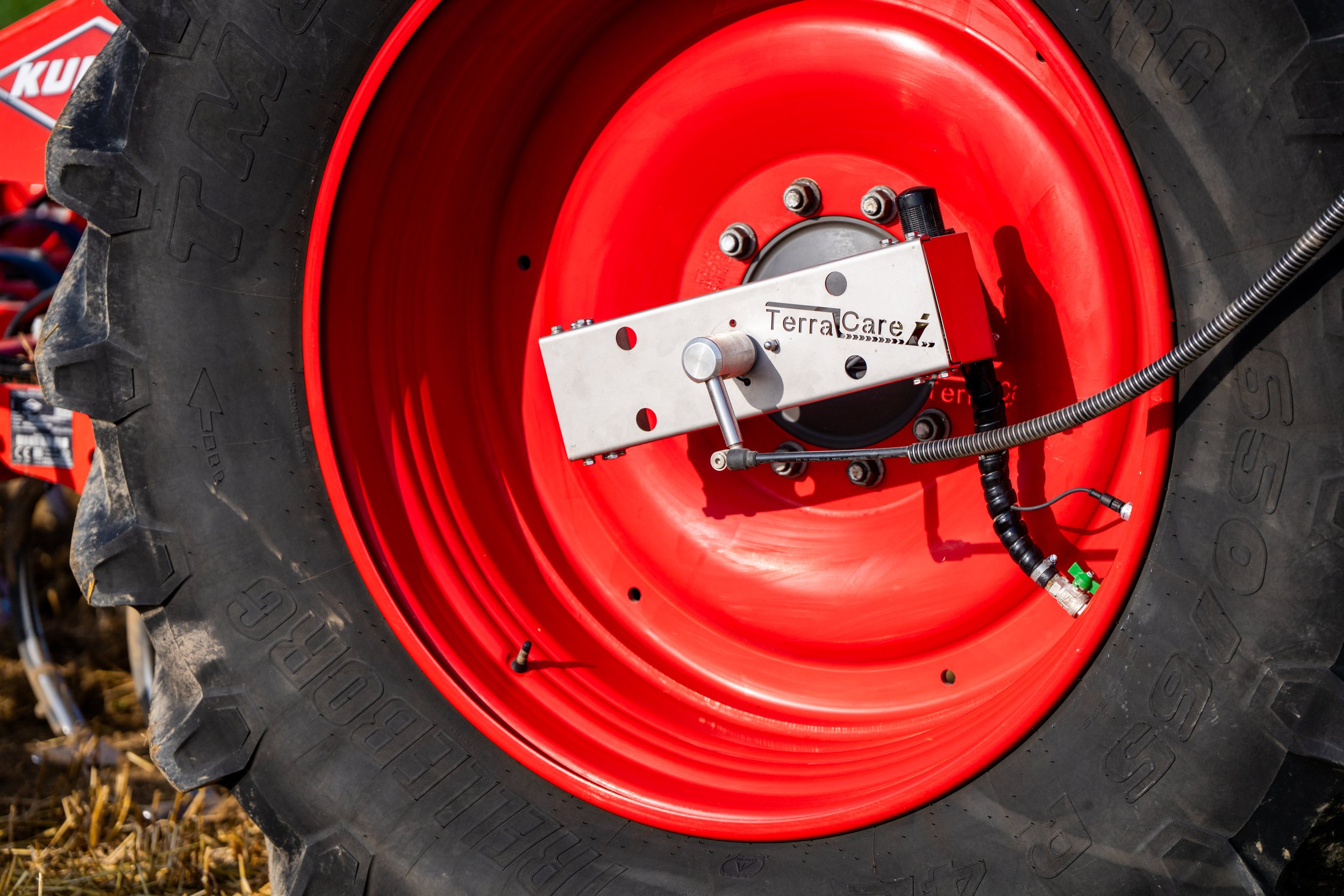
As well as the standard system, we also offer the new generation of tire pressure control systems. With TerraCare i-control, the valve unit is mounted directly on the rim—as is the pressure sensor, which enables continuous pressure monitoring. TerraCare i-control can be combined with various additional options and tailored precisely to your needs.

Radmodul an einer Traktorfelge

FAQs

Answers to the most frequently asked questions

How does a tire pressure control system work in agriculture?

A tire pressure control system adjusts tire pressure while driving to suit the specific application. The pressure is reduced in the field to increase the contact area and minimize soil compaction. The pressure is increased on the road to improve driving stability and reduce tire wear and fuel consumption.

The decision to install an agricultural tire control regulation system depends on the specific application. In most cases, the greatest benefit comes from a coordinated CTIS solution for tractors and trailers or a solution tailored to the entire farming operation—depending on whether the operation involves purely arable farming or a combination of arable farming and grassland management.

The compressor supplies compressed air and ensures rapid adjustment of tire pressure.

The tire’s contact area is very small. This results in poor traction, high fuel consumption, and correspondingly high soil compaction.

Low tire pressure on the road leads to increased tire heating and faster wear.

The use of tire pressure control systems is particularly cost-effective for machines that regularly switch between field and road use. These include:

  • Tractors
  • Slurry tankers
  • Dump trucks
  • Push-off trailers
  • Forage transport trailers
  • Manure spreaders
  • Field sprayers
  • Compost spreaders

Yes—with the TerraCare system, both the trailer and the tractor can be controlled from the cab.

In general, every farm benefits from optimal tire pressure. It is particularly cost-effective for farms with:

  • High transport requirements
  • Frequent switching between road and field
  • Heavy trailers or slurry tanks
  • Large areas of cropland
  • Contractors
  • Machinery cooperatives

The more intensively the machinery is used, the greater the potential savings in fuel, tire wear, and labor time.

You can calculate this quickly and easily with our calculator.

The availability of grants varies. It is best to obtain information directly from the Austrian Chamber of Agriculture at www.lko.at.

Most modern tractors and agricultural trailers can be retrofitted. Among the requirements are:

  • Suitable rims and tires
  • Sufficient installation space
  • Suitable air supply
  • Sufficient space for the system components

Before installation, we typically assess which solution is best suited for the specific vehicle.

Installation time depends on the vehicle type and the scope of the equipment. In many cases, retrofitting can be completed by two technicians within one workday. For more extensive setups or complete systems for tractors and trailers, installation may take longer.

A professional installation ensures reliable and long-lasting operation of the system.